
Back to Blogs

What to Expect From Tooth Extraction Recovery Timeline

Successfully navigating your tooth extraction recovery timeline is crucial for a smooth and comfortable healing journey, minimizing complications like dry socket.

October 7, 2026
•
2 min read
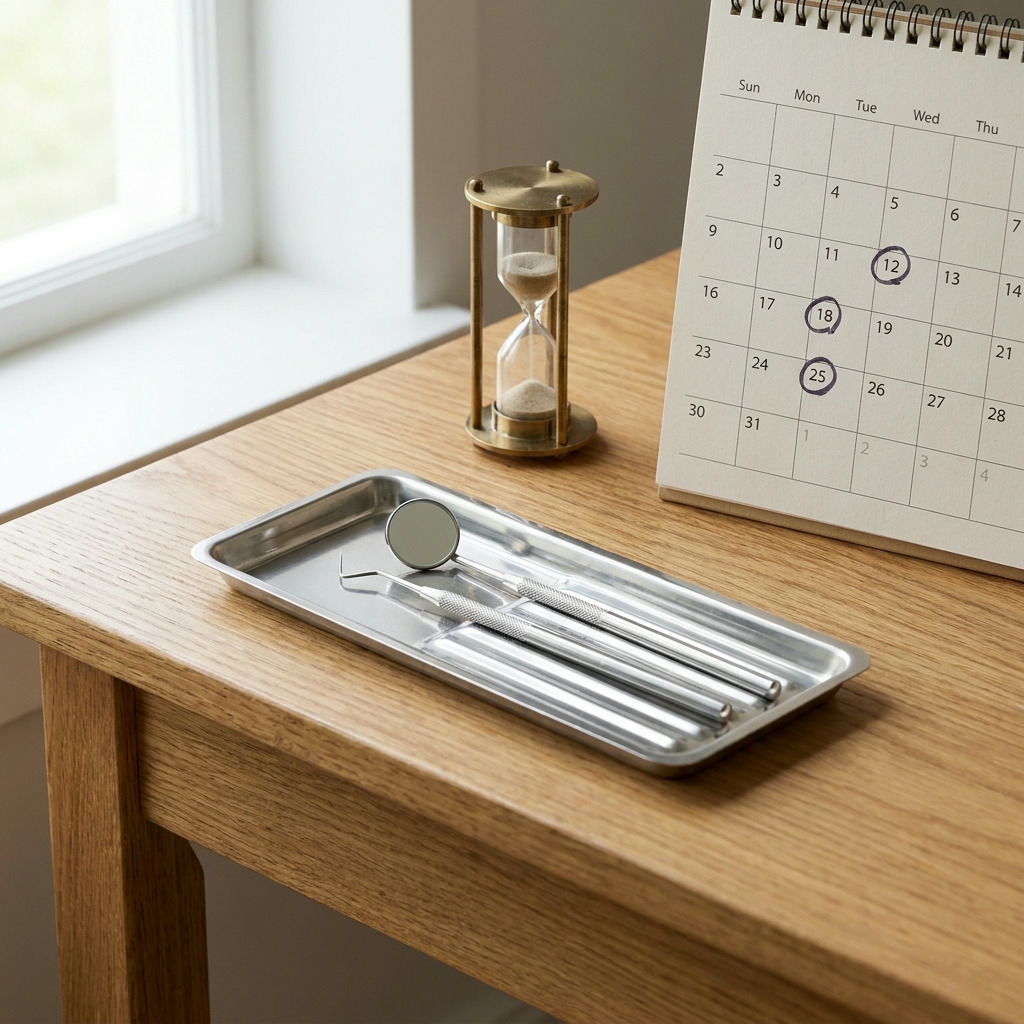
A metal dental instrument tray with a mirror and probe sits on a wooden desk next to a brass hourglass and a desk calendar with circled dates, illuminated by soft window light.
Back to Blogs

What to Expect From Tooth Extraction Recovery Timeline

A metal dental instrument tray with a mirror and probe sits on a wooden desk next to a brass hourglass and a desk calendar with circled dates, illuminated by soft window light.

Successfully navigating your tooth extraction recovery timeline is crucial for a smooth and comfortable healing journey, minimizing complications like dry socket.

October 7, 2026
•
2 min read

Understanding Your Tooth Extraction Recovery

Tooth extraction recovery involves a predictable timeline, with initial healing occurring within the first 24-48 hours and complete soft tissue healing typically taking about one to two weeks. Bone regeneration, however, can continue for several months. Following your dentist's post-operative instructions is crucial for preventing complications like dry socket and ensuring a smooth recovery process.

Immediately after a tooth extraction, your body begins the essential process of healing. This involves forming a blood clot in the empty socket to protect the underlying bone and nerve endings. Dr. Max Gosselin at Gasior Family Dental - Northville emphasizes that diligent aftercare in the critical first few days significantly impacts the overall success and comfort of your healing journey.

This guide will walk you through the typical stages of tooth extraction recovery, outlining what to expect and how to manage symptoms effectively. Understanding each phase helps you prepare and ensures you provide your mouth with the best environment for healing.
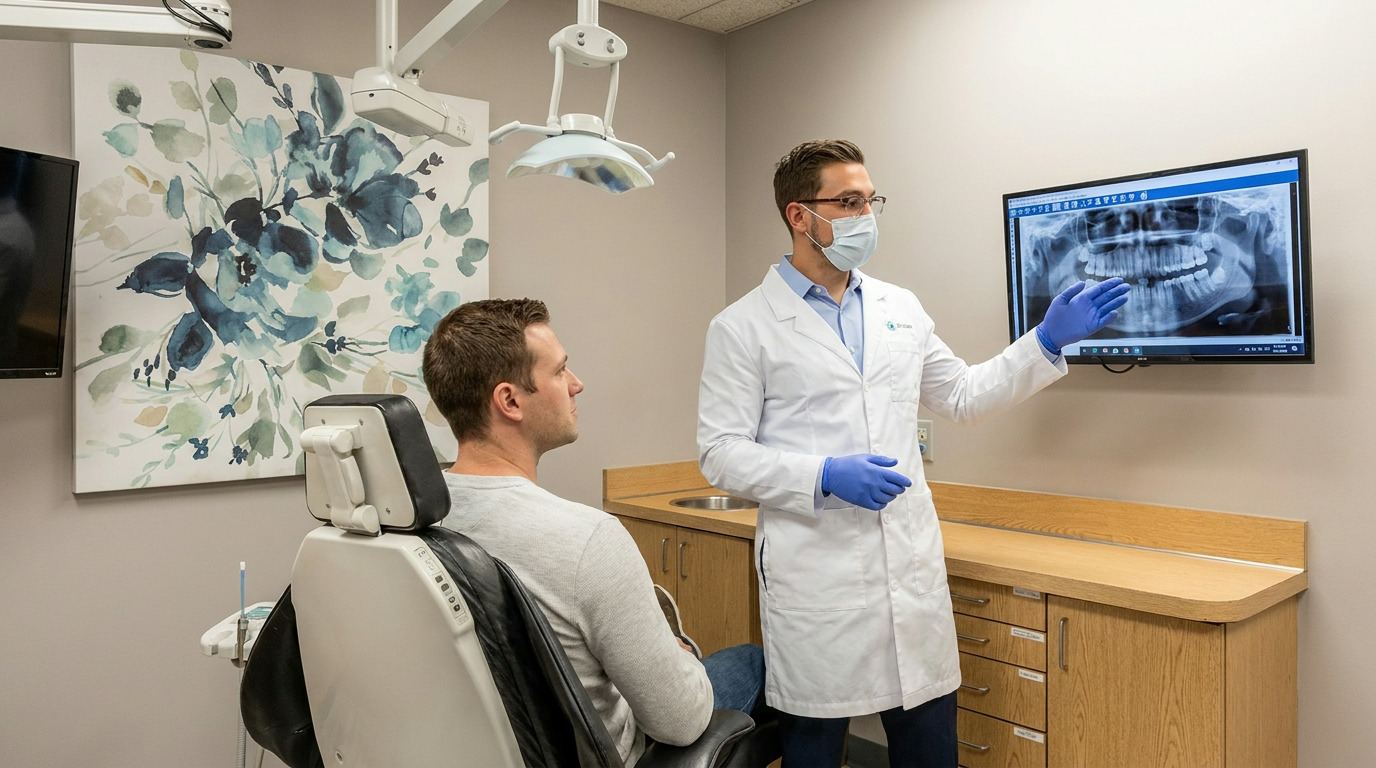

Dr. Max Gosselin, wearing a white lab coat, blue gloves, and a face mask, points to a dental X-ray on a wall monitor while a patient, Matthew, sits in a dental chair in a modern operatory.

What Happens in the First 24 Hours After Extraction?

During the first 24 hours after a tooth extraction, it is normal to experience some bleeding, swelling, and mild pain. The primary goal is to encourage a stable blood clot formation in the socket and manage discomfort. Strict adherence to post-operative instructions provided by your dentist is vital.

This initial period is arguably the most critical for proper healing. The blood clot is fragile and must remain undisturbed to prevent complications. Dr. Gosselin advises patients to avoid activities that could dislodge it. Many patients wonder about the specific do's and don'ts right after leaving Gasior Family Dental.

  • Pressure and Bleeding Control: Bite gently on the gauze provided for at least 30-45 minutes to help form a blood clot. Change the gauze as directed, usually every 30 minutes, until bleeding subsides to a light ooze.
  • Pain Management: Take prescribed pain medication or over-the-counter pain relievers as directed by Dr. Max Gosselin before the local anesthetic wears off. This proactive approach helps keep pain under control.
  • Swelling Reduction: Apply an ice pack to the outside of your cheek for 15-20 minutes on, 20 minutes off, for the first 24 hours. This significantly reduces swelling and discomfort.
  • Rest and Elevation: Keep your head elevated with pillows while resting or sleeping. Avoid strenuous physical activity to prevent increased blood pressure and bleeding.
  • Dietary Restrictions: Stick to soft, cool foods like yogurt, applesauce, or smoothies. Avoid hot liquids, crunchy foods, and using straws, as suction can dislodge the blood clot.
Matthew sits in a leather armchair, eyes closed, holding a blue ice pack to his cheek, with a knitted blanket on his lap, in a room with a bookshelf and window.

Managing Pain and Swelling Post-Extraction

Effective management of pain and swelling after a tooth extraction involves a combination of medication, cold therapy, and proper rest. Pain typically peaks within the first 6-12 hours but should gradually subside over the next few days, while swelling may last a bit longer.

After your extraction at our Northville office, Dr. Max Gosselin will provide specific instructions for pain and swelling control. It's essential to follow these guidelines closely to ensure your comfort and promote uneventful healing. Ignoring discomfort can sometimes lead to more severe issues or prolong recovery.

Effective strategies for pain and swelling:

  • Prescription Medications: If a stronger pain reliever was prescribed, take it exactly as directed. Do not wait for severe pain to set in before taking your next dose.
  • Over-the-Counter Options: For milder pain, ibuprofen (e.g., Advil) or acetaminophen (e.g., Tylenol) can be very effective. Always follow dosage instructions on the packaging.
  • Cold Compress Application: Continue using an ice pack on your cheek for the first 24-48 hours to minimize swelling. After 48 hours, warm compresses can sometimes help reduce stiffness and promote circulation, but consult your dentist first.
  • Jaw Rest: Avoid excessive talking, chewing, or opening your mouth wide. Resting your jaw helps reduce strain on the extraction site.
  • Hydration and Nutrition: Staying well-hydrated and consuming nutrient-rich soft foods supports your body's healing processes and can reduce overall discomfort.
A hand with a watch reaches for a glass of water with a dissolving tablet on a wooden bedside table, next to a blister pack of pills, with a blurred bed and lamp in the background.

When Can I Eat Normally After a Tooth Extraction?

You can gradually return to eating normal foods after a tooth extraction, typically starting with soft foods for the first 3-5 days, then slowly reintroducing chewier items. Avoid hard, crunchy, or sticky foods for at least a week, and always chew on the opposite side of the extraction site.

The timeline for returning to a normal diet largely depends on the complexity of your extraction and how quickly you heal. Dr. Max Gosselin at Gasior Family Dental stresses the importance of protecting the healing socket from food particles and physical trauma. Prematurely eating certain foods can dislodge the blood clot, leading to dry socket, or irritate the wound, causing pain and delaying recovery.

In the initial days, focus on nutrient-rich soft foods that don't require much chewing. As your comfort improves, you can begin to experiment with slightly firmer textures. Always listen to your body and err on the side of caution. If chewing causes pain or discomfort, revert to softer options. A balanced diet rich in vitamins and minerals is crucial for supporting your body's repair mechanisms during this critical time.

A person in a pink blouse stirs a bowl of light-colored soup with a spoon on a wooden counter, with a cut avocado and a container of yogurt nearby.

Need a Tooth Extraction or Have Questions?

If you're experiencing severe tooth pain and think you might need an extraction, or if you have recently had a tooth removed and have questions about your recovery, don't hesitate to reach out to Gasior Family Dental in Northville, MI. Dr. Max Gosselin and our team are here to provide compassionate care and expert guidance for all your dental needs. Contact us today to schedule an appointment.

Preventing Dry Socket and Other Complications

Preventing dry socket, a painful condition where the blood clot dislodges, is paramount during tooth extraction recovery. This involves avoiding suction, tobacco products, and rigorous rinsing, especially in the first 48-72 hours. Following all post-operative instructions diligently is your best defense against complications.

Dry socket, also known as alveolar osteitis, is one of the most common and painful complications of tooth extraction. It occurs when the protective blood clot in the socket dislodges or dissolves, exposing the underlying bone and nerves to air and food particles. Dr. Max Gosselin always emphasizes that prevention is far easier than treatment.

Key prevention strategies:

  • Avoid Suction: Do not use straws, spit forcefully, or smoke for at least 3-5 days post-extraction. Any form of suction can dislodge the crucial blood clot.
  • No Tobacco Products: Smoking and vaping significantly increase the risk of dry socket and delay healing due to harmful chemicals and the suction motion. Avoid them for as long as possible, ideally for at least a week.
  • Gentle Oral Hygiene: Do not brush the extraction site directly for the first 24 hours. After that, brush very gently, avoiding the surgical area. Rinse your mouth with warm salt water gently after 24 hours, letting it fall out rather than spitting.
  • Follow Medication Regimen: Take all prescribed antibiotics as directed, even if you feel fine, to prevent infection. Pain medication should be taken as instructed to manage discomfort.
  • Limit Physical Activity: Strenuous exercise can increase blood pressure and dislodge the clot. Rest for the first 24-48 hours, gradually resuming normal activities.
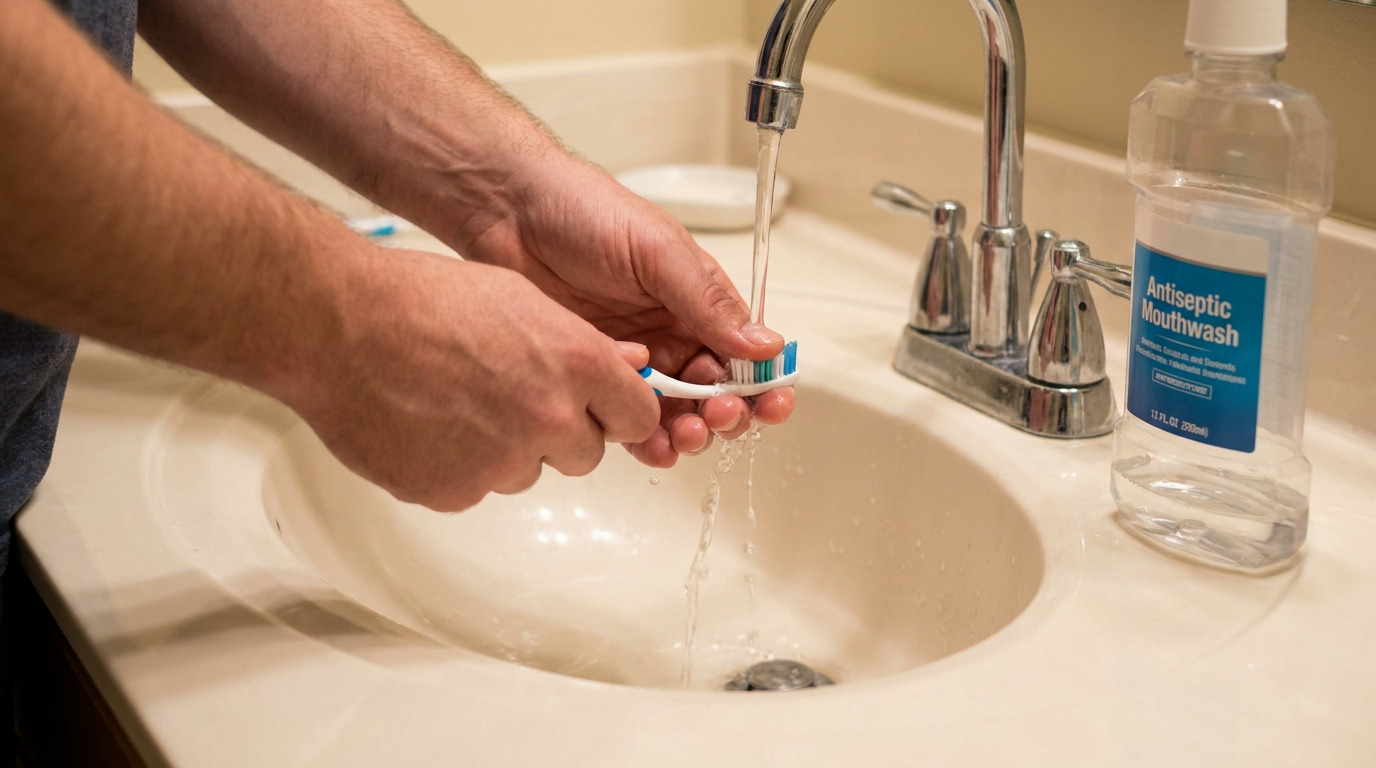
Matthew's hands rinse a toothbrush under running water in a bathroom sink, with a bottle of antiseptic mouthwash visible nearby.

Oral Hygiene Practices During Healing

Maintaining good oral hygiene is critical after a tooth extraction, but it requires gentle care to protect the healing socket. Avoid brushing the extraction site directly for the first 24 hours, then introduce soft brushing and gentle salt water rinses as directed by your dentist, being careful not to dislodge the blood clot.

Proper oral hygiene prevents infection and promotes faster healing. At Gasior Family Dental, Dr. Max Gosselin provides personalized instructions, but some general guidelines apply to everyone. Remember, the goal is to keep the area clean without disturbing the fragile healing process.

On the day of extraction, avoid any rinsing or brushing near the extraction site. The following day, you can begin very gentle warm salt water rinses (1/2 teaspoon salt in 8 ounces of warm water) a few times a day, especially after meals. Let the water pool over the extraction site and then gently lean your head to let it fall out – do not spit. You can carefully brush your other teeth, taking care to avoid the healing area. Gradually, as the socket heals over the next week or two, you can resume your normal brushing and flossing routine.

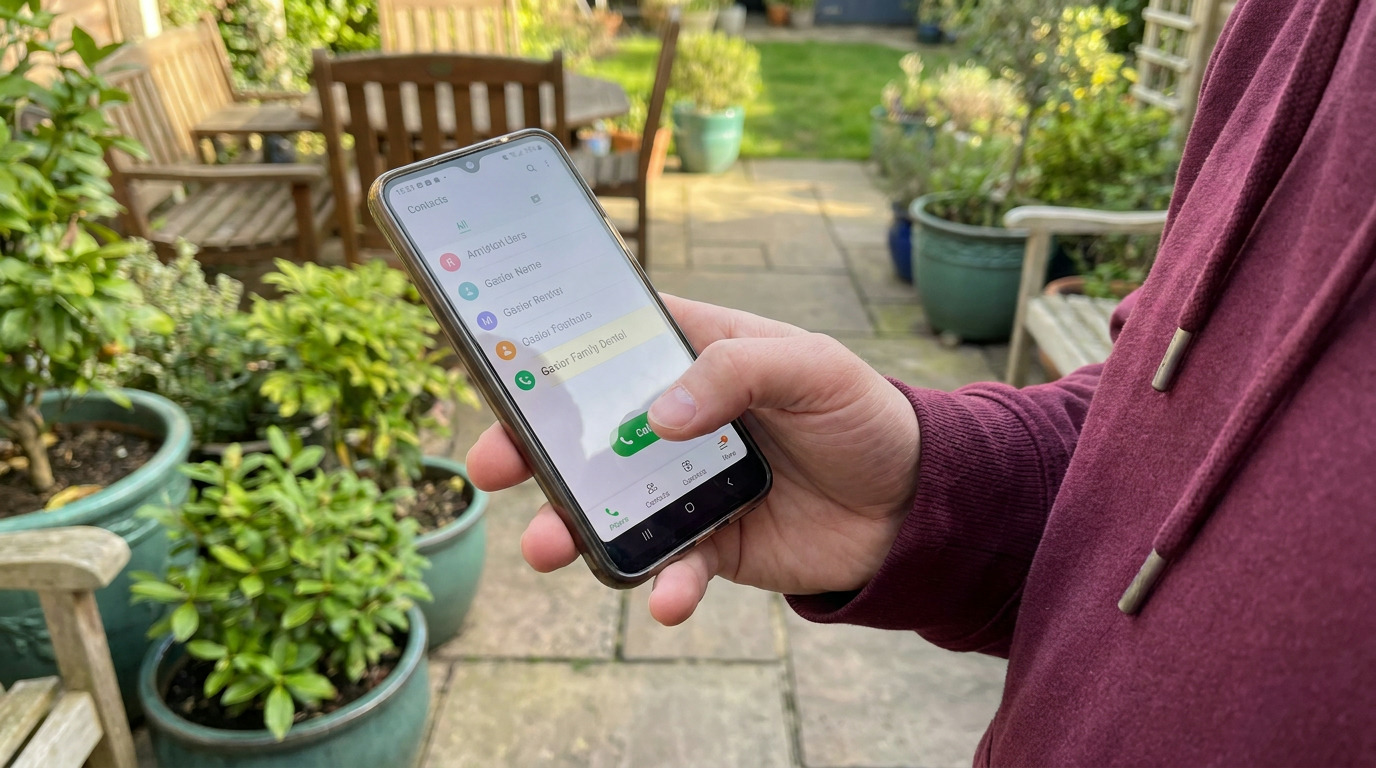
A hand in a burgundy hoodie holds a smartphone displaying a contact list with "Gasior Family Dental" highlighted, with a thumb hovering over the "Call" button, in a garden patio setting.

When to Call Your Northville Dentist

You should contact Gasior Family Dental if you experience severe pain unrelieved by medication, excessive or prolonged bleeding, fever, pus, or swelling that worsens after 48-72 hours. These symptoms could indicate a complication like dry socket or infection, requiring immediate dental attention from Dr. Max Gosselin.

While some discomfort and swelling are normal after a tooth extraction, certain signs suggest that something may be amiss with your tooth extraction recovery. It's crucial to trust your instincts and reach out to your dental professional if you have any concerns. Our team in Northville is here to support your healing.

Signs that warrant a call to our office:

  • Severe, Persistent Pain: If pain suddenly worsens a few days after the extraction, especially if accompanied by a foul taste or odor, it could indicate a dry socket. Normal pain should gradually improve.
  • Excessive Bleeding: Some oozing is normal for up to 24 hours. However, if bleeding is heavy and continuous, saturating gauze quickly after biting down firmly for 30 minutes, contact us immediately.
  • Signs of Infection: Fever, persistent redness, excessive or spreading swelling, or a discharge of pus from the extraction site are all red flags for infection.
  • Numbness or Tingling: If numbness persists in your lip, chin, or tongue for more than 24 hours, it may indicate nerve irritation and should be reported.
  • Allergic Reaction: Hives, rash, or difficulty breathing after taking medication are serious and require immediate medical attention.
A vibrant green leaf with a green checkmark next to a dry brown leaf with a red X on a white background.

What This Means for Your Recovery

Successfully navigating your tooth extraction recovery timeline is a team effort. While Dr. Max Gosselin and the compassionate team at Gasior Family Dental - Northville provide expert care during your procedure, your commitment to following post-operative instructions is the most significant factor in ensuring a smooth and comfortable healing journey. From the initial hours of bleeding control and pain management to the weeks of gentle oral hygiene and dietary adjustments, each step plays a vital role.

Understanding what to expect, being proactive in managing symptoms, and knowing when to seek professional advice empowers you to take charge of your recovery. While the initial days require the most vigilance, remember that complete bone healing takes several months. By carefully adhering to the advice provided, you minimize the risk of complications like dry socket and infection, leading to a much faster return to your normal routine. Should you have any questions or concerns at any point during your healing, please do not hesitate to contact our Northville dental office. We are dedicated to supporting your oral health every step of the way.

Max Gosselin, wearing a blue suit jacket and glasses, sits at a desk with hands clasped, looking at a person whose back is visible, with a dental model on the desk.
Categories:
No items found.

Frequently Asked Questions

1. How long does tooth extraction recovery take?
Soft tissue healing typically takes one to two weeks, but initial clot formation is crucial in the first 24-48 hours. Bone regeneration continues for several months.

2. What should I do immediately after a tooth extraction?
Bite gently on gauze for 30-45 minutes, apply ice to reduce swelling, take pain medication, and rest with your head elevated.

3. When can I stop taking pain medication after extraction?
Pain usually subsides within a few days. Follow Dr. Max Gosselin's instructions; if pain persists or worsens, contact our office.

4. Can I eat solid food after a tooth extraction?
For the first 3-5 days, stick to soft foods. Gradually reintroduce firmer foods, chewing on the opposite side of the extraction site.

5. What is a dry socket and how can I prevent it?
Dry socket is a painful condition where the blood clot dislodges. Prevent it by avoiding straws, smoking, and vigorous rinsing for at least 3-5 days.

6. When can I brush my teeth normally after an extraction?
Avoid brushing the extraction site for 24 hours. After that, brush gently, avoiding the area, and use warm salt water rinses.

7. Is some bleeding normal after a tooth extraction?
Yes, light oozing is normal for up to 24 hours. Contact our Northville office if bleeding is heavy and continuous.

8. What are signs of infection after tooth extraction?
Fever, spreading swelling, persistent redness, pus, or severe pain worsening after a few days are signs of possible infection.

9. When can I resume exercise after a tooth extraction?
Avoid strenuous activity for at least 24-48 hours. Gradually return to light activities as your comfort allows.

10. Can I use a straw after a tooth extraction?
No, avoid using straws for at least 3-5 days as the suction can dislodge the blood clot and lead to a dry socket.

Ready to Experience
the Difference?

Join thousands of families in Northville who trust Gasior Family Dentistry for their oral health. From routine cleanings to complete smile makeovers, we're here to help you achieve the healthy, beautiful smile you deserve. Schedule your appointment today and discover why our patients love coming to see us.

Schedule Your
First Appointment

Ready to experience exceptional dental care? We're here to answer your questions and book your appointment.

VISIT US
42927 W Seven Mile Rd
Northville, MI 48167
EMAIL US
info@gasiorfamilydental.com
OFFICE HOURS
Monday - Thursday
8:00 AM - 5:00 PM
Friday
8:00 AM - 1:00 PM
Weekend
Closed

Request an Appointment

Fill out the form below and we'll contact you to confirm your appointment.

Thank you for booking your appointment!

We’ve received your request and will contact you soon to confirm the details. We look forward to seeing you at Gasior Family Dentistry.

We couldn’t submit your form.

Something interrupted the process, possibly a slow connection or a temporary glitch. Try again in a moment. If your info disappeared, we're really sorry and ready to help if you need it.