Back to Blogs

How Dental Bonding Fixes Chipped Teeth Fast

Dental bonding offers a quick and effective solution for chipped teeth, providing a seamless, natural-looking repair often in a single visit.

August 6, 2026
•
2 min read
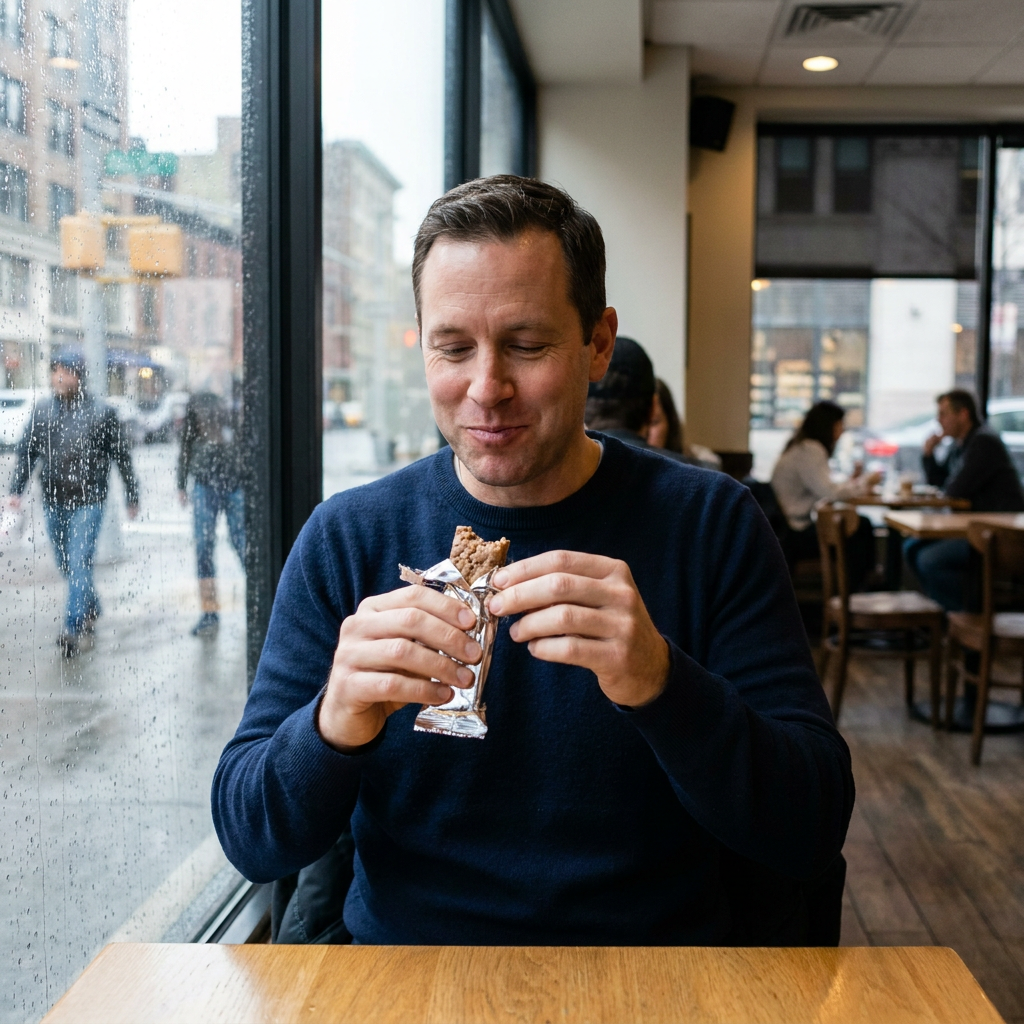
Eric sits at a light wood table in a cafe, wearing a dark blue crewneck sweater and holding a partially unwrapped protein bar, with a rainy street scene visible through the window behind him.
Back to Blogs

How Dental Bonding Fixes Chipped Teeth Fast

Eric sits at a light wood table in a cafe, wearing a dark blue crewneck sweater and holding a partially unwrapped protein bar, with a rainy street scene visible through the window behind him.

Dental bonding offers a quick and effective solution for chipped teeth, providing a seamless, natural-looking repair often in a single visit.

August 6, 2026
•
2 min read

Restore Your Smile Quickly

Dental bonding offers a swift and effective solution for repairing chipped teeth, minor cracks, or gaps, allowing for a dramatic cosmetic improvement in often just one visit. This procedure utilizes a tooth-colored resin expertly applied and sculpted to seamlessly blend with existing teeth, restoring both function and aesthetics. It’s a popular choice for those seeking noticeable results without extensive dental work.

Eric, a man in his early 40s, recently noticed a small chip on his front tooth that made him self-conscious when he smiled. He was looking for a repair that was both quick and natural-looking, as his work involved frequent client interactions.

He scheduled a consultation at Gasior Family Dentistry to explore how he could regain his confident smile. Dr. Andrew Gasior explained that dental bonding could be an excellent option for Eric's specific concern, offering a durable and aesthetically pleasing result.
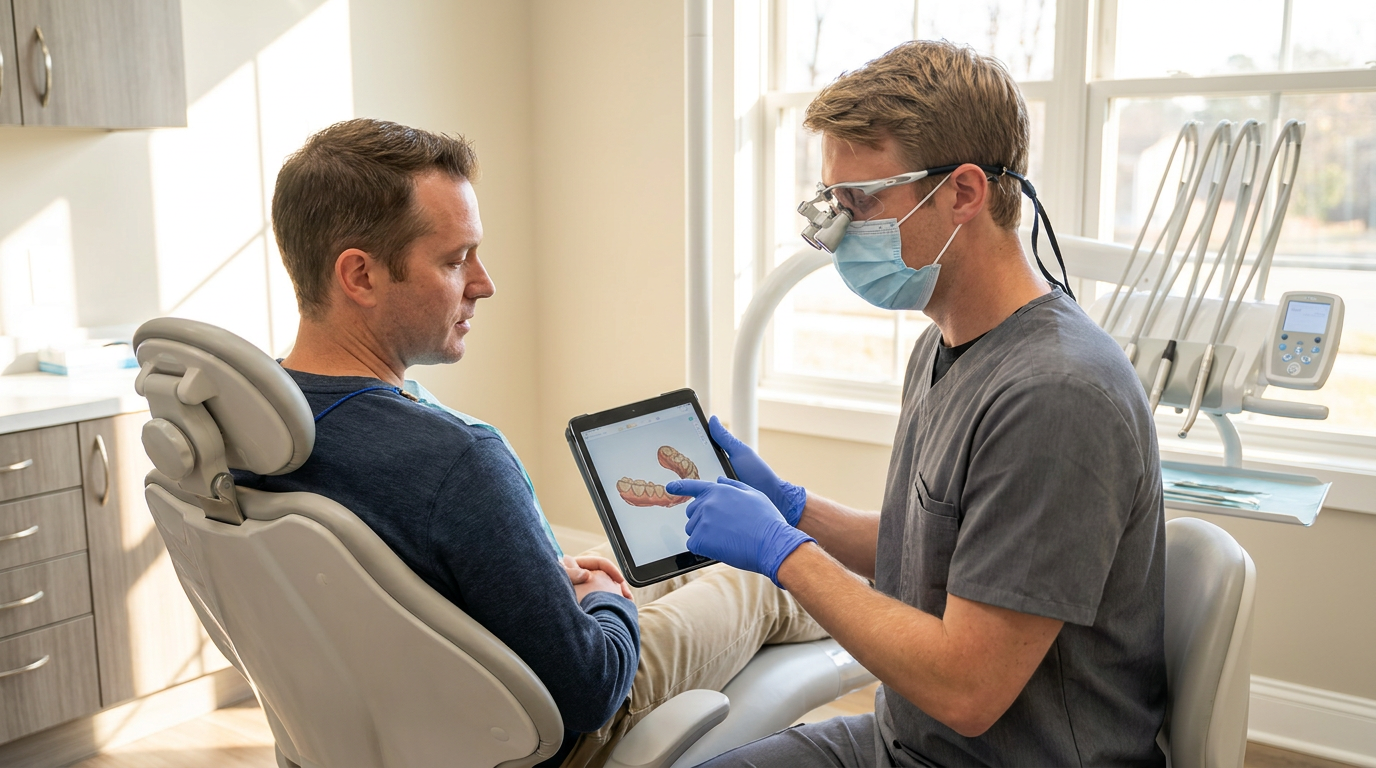
A dentist in a gray scrub top, blue gloves, a light blue surgical mask, and dental loupes holds a tablet displaying a 3D dental model to a patient in a dental chair.

What Is Dental Bonding?

Dental bonding involves applying a composite resin material, colored to match your natural teeth, directly onto the tooth surface. Dr. Andrew Gasior then shapes and polishes this material to correct imperfections, making it virtually indistinguishable from your natural enamel. This process is minimally invasive and can often be completed in a single appointment, offering a convenient cosmetic enhancement.

Eric was particularly interested in how seamlessly the repair would blend with his other teeth. Dr. Andrew Gasior assured him that selecting the right shade was a critical step, ensuring a natural appearance. The resin material is remarkably versatile, allowing for precise sculpting to achieve the desired outcome.

Key Aspects of Bonding

  • Tooth-Colored Resin: Matches your natural tooth shade perfectly.
  • Direct Application: Material is applied directly to the tooth.
  • Sculpting and Shaping: Expertly molded by Dr. Andrew Gasior for a natural look.
  • Quick Completion: Often finished in a single office visit.
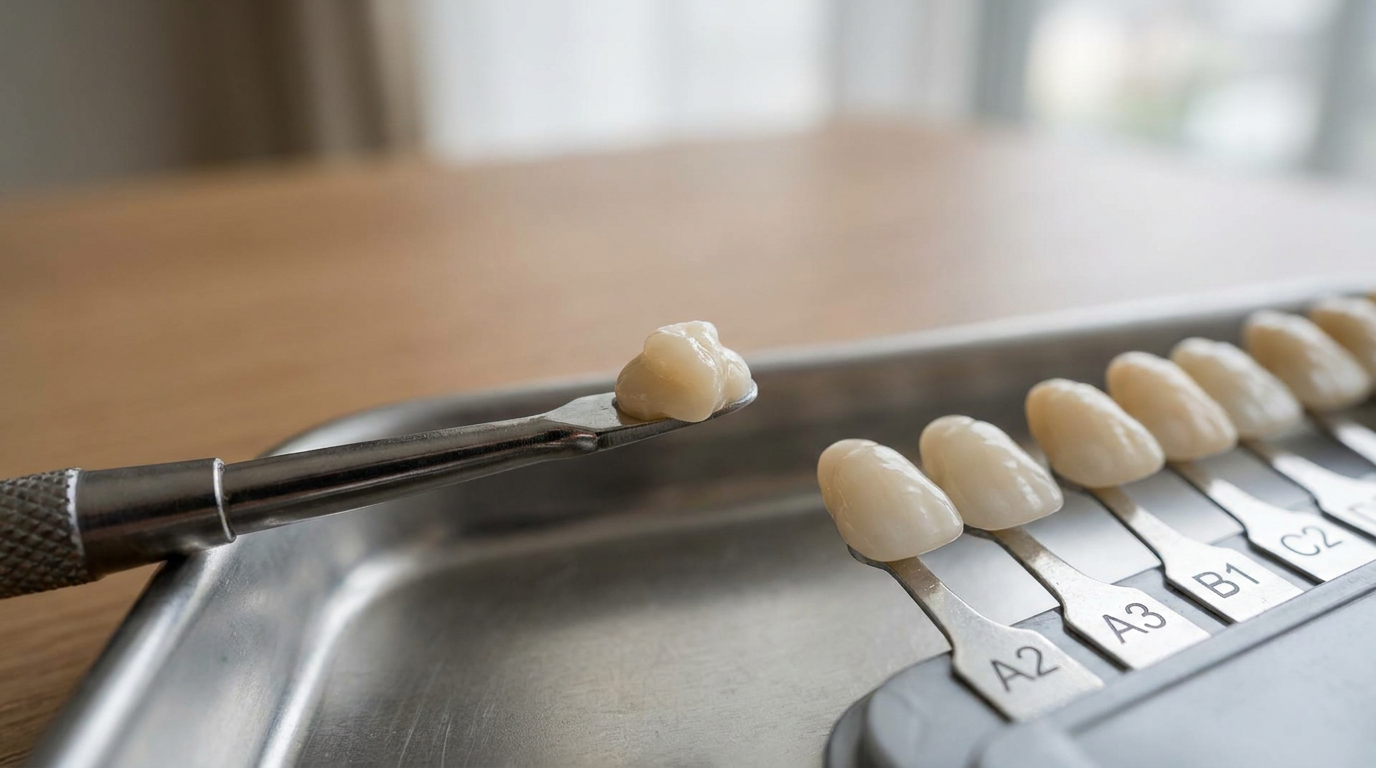
A dental instrument holds a small, tooth-colored blob of composite resin next to a row of dental shade guide tabs on a metal tray.

What Does the Bonding Process Involve?

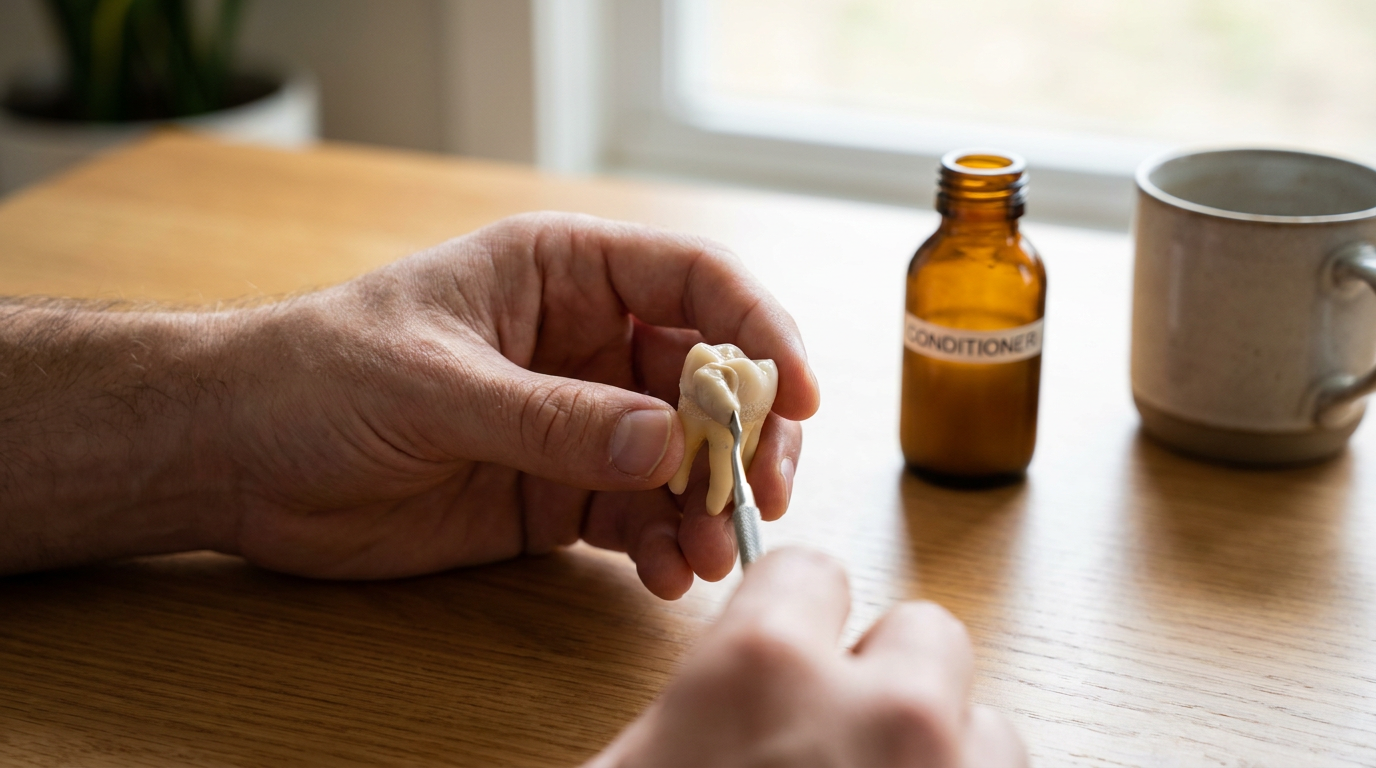
The dental bonding process begins with Dr. Andrew Gasior carefully selecting a composite resin shade that matches Eric's natural tooth color. Next, the tooth surface is gently prepared by lightly etching it and applying a conditioning liquid to help the bonding material adhere securely. This creates a slightly roughened surface, optimizing the bond.

Once prepared, the putty-like resin is applied to the tooth, molded, and smoothed to the desired shape. Dr. Andrew Gasior then uses a special light to harden the resin instantly, bonding it firmly to the tooth structure. The final step involves trimming, shaping, and polishing the bonded tooth for a smooth, natural-looking finish.

Bonding Procedure Steps

  • Shade Selection: Matching the composite resin to your existing teeth.
  • Surface Preparation: Etching and conditioning the tooth for optimal adhesion.
  • Resin Application: Applying and meticulously shaping the composite material.
  • Curing: Hardening the resin with a specialized light.
  • Finishing Touches: Trimming, smoothing, and polishing for a flawless result.
A person's hands hold a model tooth and a dental tool, applying a putty-like substance to the tooth, next to a bottle labeled "CONDITIONER" and a mug on a wooden table.

Ideal Candidates for Dental Bonding

Dental bonding is an excellent option for individuals with minor cosmetic dental concerns who desire a quick and cost-effective solution. It is particularly effective for repairing chipped or cracked teeth, closing small gaps between teeth, or disguising discoloration that hasn't responded to teeth whitening. Eric, with his specific chipped tooth, fit this profile perfectly.

It can also be used to change the shape of teeth, making them appear longer or altering their contours for a more uniform smile. Dr. Andrew Gasior evaluates each patient's unique situation to determine if bonding is the most suitable approach. However, for more extensive damage or significant cosmetic changes, other restorative options might be considered.

A woman with shoulder-length brown hair and a gap between her two front teeth smiles slightly while sitting at a light wood desk in an office with large windows and potted plants.

Schedule Your Consultation Today

If you're considering dental bonding or have questions about improving your smile, the expert team at Gasior Family Dentistry is ready to help. Contact us to schedule a personalized consultation with Dr. Andrew Gasior and explore how cosmetic solutions can transform your smile.

Bonding Compared to Veneers

While both dental bonding and veneers enhance smiles, they differ significantly in their application, durability, and cost. Dental bonding is a more conservative, single-visit procedure that involves minimal tooth alteration and is generally more affordable. Eric appreciated the minimal invasiveness and quicker turnaround for his chipped tooth.

Veneers, on the other hand, are custom-made shells, typically porcelain, that cover the entire front surface of a tooth, requiring more significant enamel removal and multiple appointments. They offer greater durability and stain resistance than bonding, making them a longer-lasting solution for more extensive cosmetic changes. Dr. Andrew Gasior discussed these distinctions with Eric, highlighting that for his minor chip, bonding was a fitting choice.

Bonding vs. Veneers

  • Bonding:
    • Less Invasive: Minimal tooth preparation.
    • Cost-Effective: Generally lower initial cost.
    • Quick: Often completed in one visit.
    • Longevity: Typically 5-10 years with good care.
  • Veneers:
    • More Durable: Porcelain offers greater strength.
    • Stain Resistant: Less prone to discoloration.
    • Extensive Change: Ideal for significant cosmetic transformations.
    • Longevity: Can last 10-15 years or more.
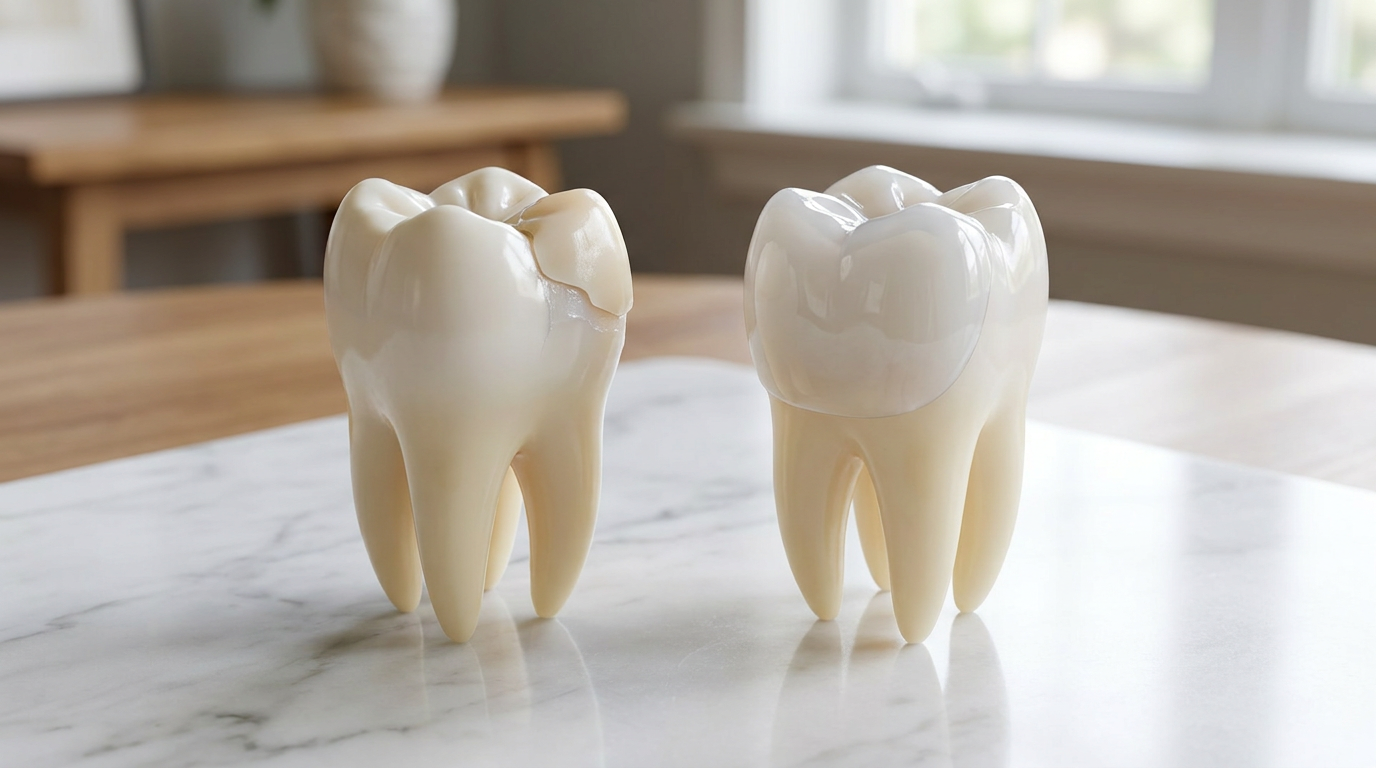
Two tooth models sit side-by-side on a white marble surface, one with a cracked top and the other with a smooth, white crown.

Caring for Your Bonded Teeth

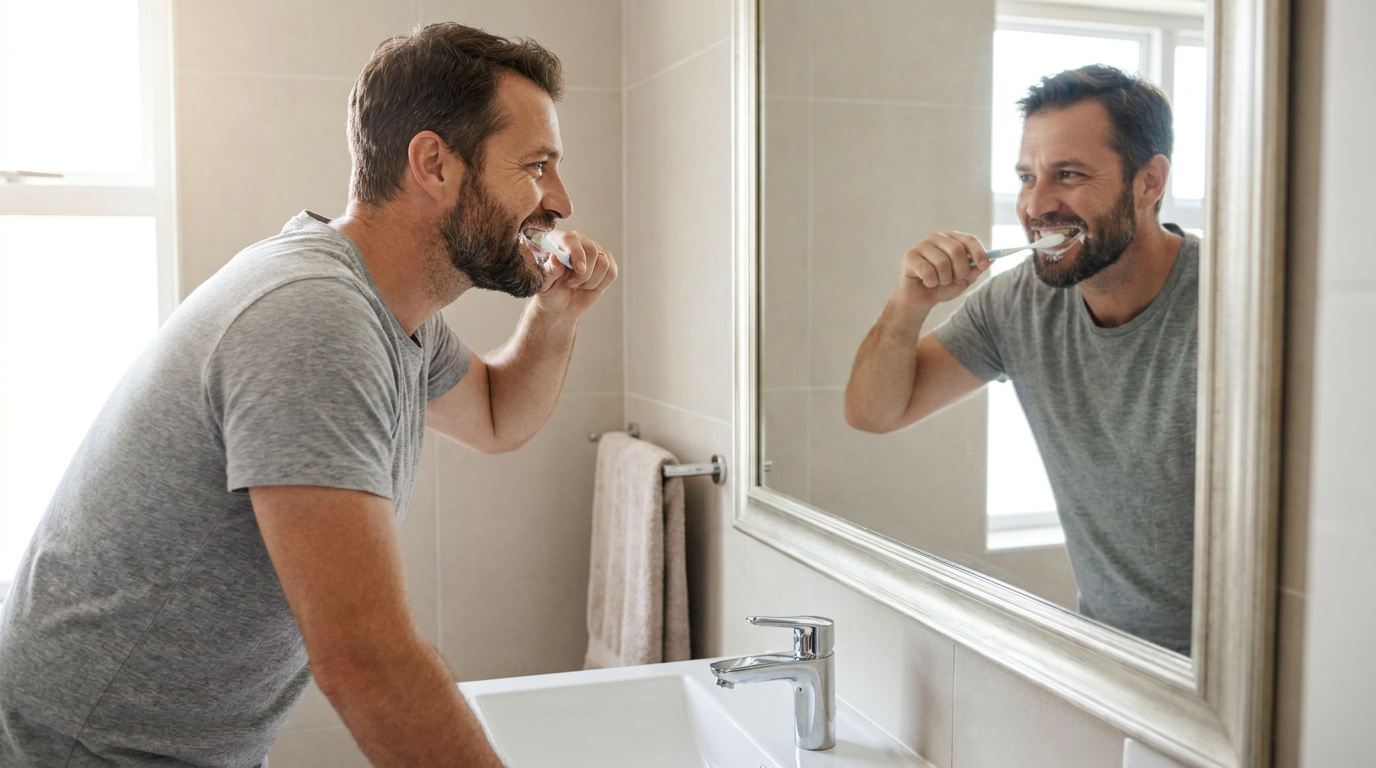
Caring for your bonded teeth is essential to ensure their longevity and maintain their aesthetic appeal. Dr. Andrew Gasior advises patients like Eric to treat their bonded teeth with the same care as their natural teeth. This includes brushing twice daily with a non-abrasive toothpaste and flossing regularly to prevent plaque buildup and maintain gum health.

It is also crucial to avoid habits that could chip or damage the resin, such as biting on hard objects like ice, pens, or fingernails. While the composite resin is durable, it is not as strong as natural tooth enamel. Regular dental check-ups and routine cleanings at Gasior Family Dentistry are vital to monitor the bonding and address any concerns.

Eric, a man with a beard, stands in a bathroom, wearing a gray t-shirt, brushing his teeth while looking at his reflection in a mirror above a sink.

How Long Does Dental Bonding Last?

With proper care and maintenance, dental bonding can typically last anywhere from 5 to 10 years before needing repair or replacement. The lifespan largely depends on the location of the bonding, a patient's oral habits, and the overall stress placed on the bonded tooth. For instance, bonding on front teeth might wear differently than on those used for heavy chewing.

Factors such as biting on hard foods, grinding teeth (bruxism), or inadequate oral hygiene can shorten the life of the bonding. Regular dental visits allow Dr. Andrew Gasior to assess the condition of the bonded material and recommend any necessary touch-ups or adjustments. Eric felt reassured knowing that with good care, his results would be lasting.

Factors Affecting Longevity

  • Oral Hygiene: Consistent brushing and flossing are crucial.
  • Dietary Habits: Avoiding hard or sticky foods helps prevent damage.
  • Bruxism: Teeth grinding can accelerate wear; protective appliances like bite splints may be recommended.
  • Location of Bonding: Areas under less biting force tend to last longer.
  • Regular Check-ups: Professional monitoring and maintenance are key.
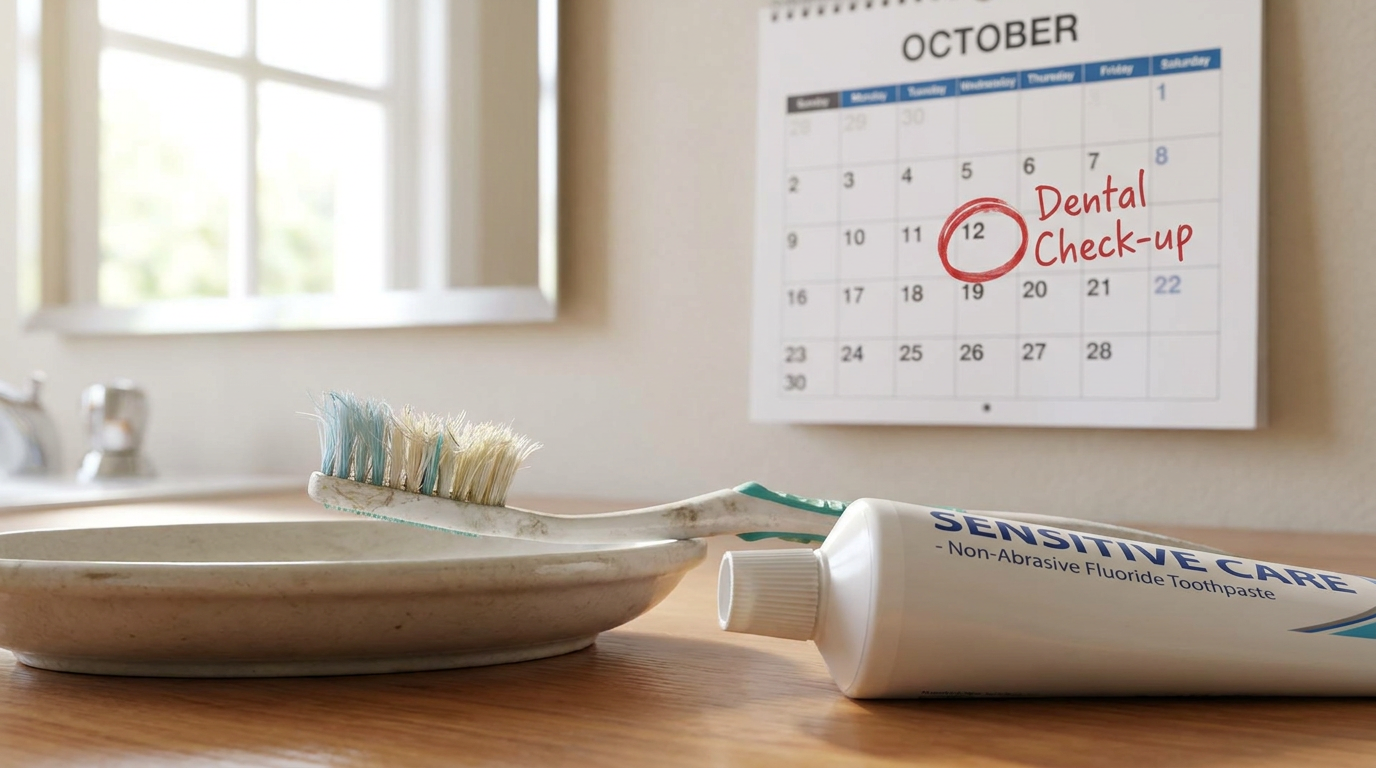
A worn toothbrush, a tube of toothpaste, and a calendar marking a dental check-up on October 12th are on a wooden surface in front of a window.

Your Confident Smile Awaits

For Eric, the decision to proceed with dental bonding was an easy one after his consultation with Dr. Andrew Gasior. He appreciated the clear explanation of the process and the realistic expectations set for both the outcome and the care involved. The thought of restoring his smile quickly and effectively resonated with his busy lifestyle.

During his appointment, Eric watched as Dr. Andrew Gasior meticulously sculpted the resin, transforming his chipped tooth into a seamless part of his smile. The entire experience was comfortable, and the result was exactly what he had hoped for – a natural-looking repair that completely eliminated his self-consciousness.

He left the office feeling a renewed sense of confidence. Many patients, just like Eric, discover that dental bonding offers a simple yet impactful way to address minor aesthetic imperfections. It underscores the philosophy at Gasior Family Dentistry that every patient deserves to feel great about their smile.

Dr. Andrew Gasior and his team are dedicated to providing tailored cosmetic dentistry solutions that genuinely enhance well-being and confidence for residents of Northville and beyond.

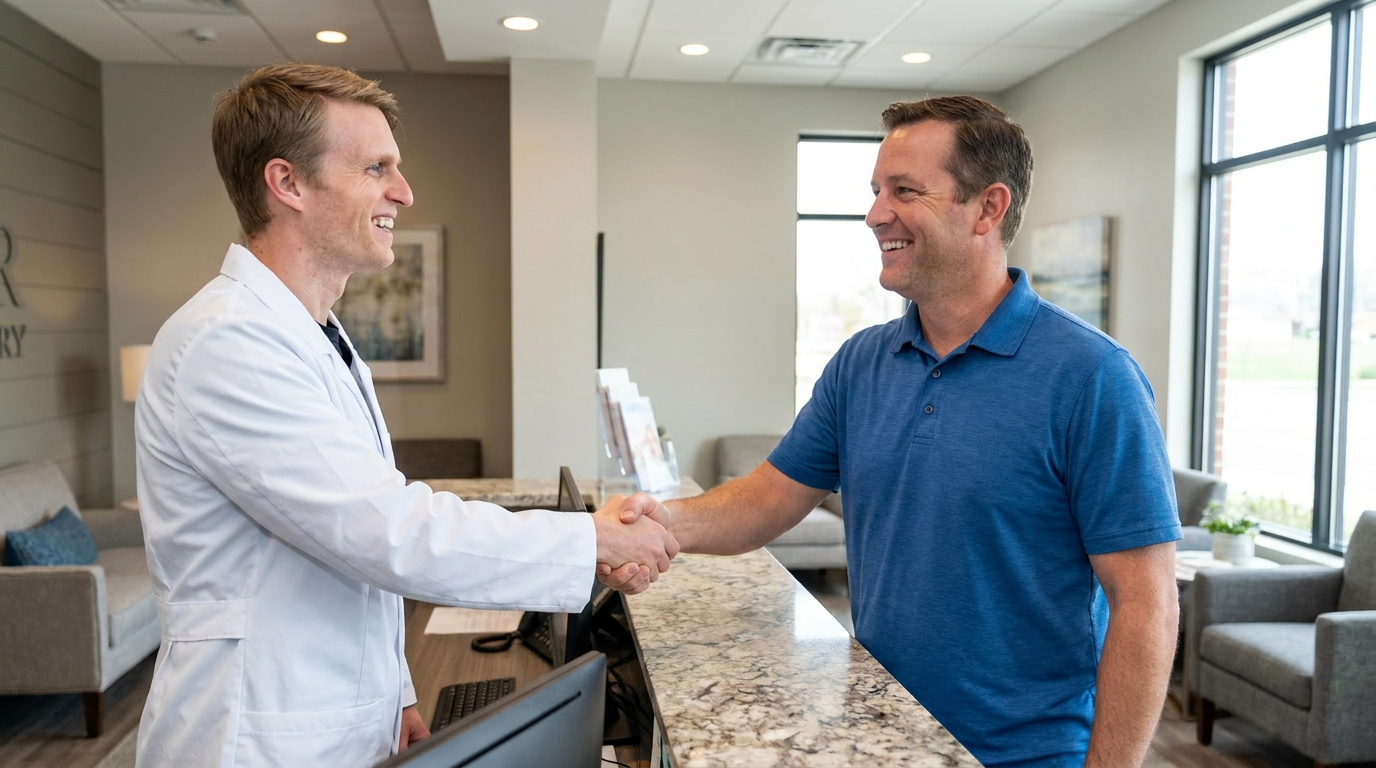
Dr. Andrew Gasior, wearing a white lab coat, shakes hands with a man in a blue polo shirt across a reception desk in a dental office.
Categories:
No items found.

Frequently Asked Questions

1. Is dental bonding painful?
Dental bonding is typically a pain-free procedure. Most patients do not require anesthesia unless it's being used to fill a cavity or the chip is very close to the nerve. Dr. Andrew Gasior ensures patient comfort throughout the process.

2. Can bonded teeth stain?
Yes, bonded teeth can stain over time, similar to natural teeth, especially with exposure to coffee, tea, red wine, or tobacco. Dr. Andrew Gasior recommends limiting consumption of staining agents and maintaining good oral hygiene to prolong the brightness of your bonded tooth.

3. How do I know if bonding is right for me?
The best way to determine if dental bonding is suitable for your needs is through a consultation with Dr. Andrew Gasior. He will assess your oral health, discuss your aesthetic goals, and recommend the most appropriate cosmetic dentistry treatment for your unique situation.

4. Can bonding fix large gaps between teeth?
Dental bonding is generally best for closing small gaps or addressing minor imperfections. For larger gaps, Dr. Andrew Gasior might suggest alternative treatments such as Invisalign® or veneers for a more comprehensive and stable solution.

5. What are the disadvantages of dental bonding?
While highly effective, dental bonding is not as strong or stain-resistant as porcelain veneers or crowns. It may also need to be repaired or replaced sooner than other restorative options. Dr. Andrew Gasior will discuss these considerations during your consultation.

6. Is dental bonding covered by insurance?
Insurance coverage for dental bonding varies depending on your specific plan and the reason for the procedure. If bonding is done for cosmetic reasons, it may not be covered. If it's to restore a chipped or fractured tooth, some coverage might apply. Dr. Andrew Gasior's team can help verify your benefits.

Ready to Experience
the Difference?

Join thousands of families in Northville who trust Gasior Family Dentistry for their oral health. From routine cleanings to complete smile makeovers, we're here to help you achieve the healthy, beautiful smile you deserve. Schedule your appointment today and discover why our patients love coming to see us.

Schedule Your
First Appointment

Ready to experience exceptional dental care? We're here to answer your questions and book your appointment.

VISIT US
42927 W Seven Mile Rd
Northville, MI 48167
EMAIL US
info@gasiorfamilydental.com
OFFICE HOURS
Monday - Thursday
8:00 AM - 5:00 PM
Friday
8:00 AM - 1:00 PM
Weekend
Closed

Request an Appointment

Fill out the form below and we'll contact you to confirm your appointment.

Thank you for booking your appointment!

We’ve received your request and will contact you soon to confirm the details. We look forward to seeing you at Gasior Family Dentistry.

We couldn’t submit your form.

Something interrupted the process, possibly a slow connection or a temporary glitch. Try again in a moment. If your info disappeared, we're really sorry and ready to help if you need it.