1. What age should a child first visit the dentist?
Children should see a family dentist when their first primary tooth erupts or by their first birthday. Early visits allow the dental team to monitor jaw development, assess gum health, and provide parents with guidance on infant oral hygiene. These brief, gentle appointments also help children build positive associations with the dental chair early on.
2. How often should our family schedule routine cleanings?
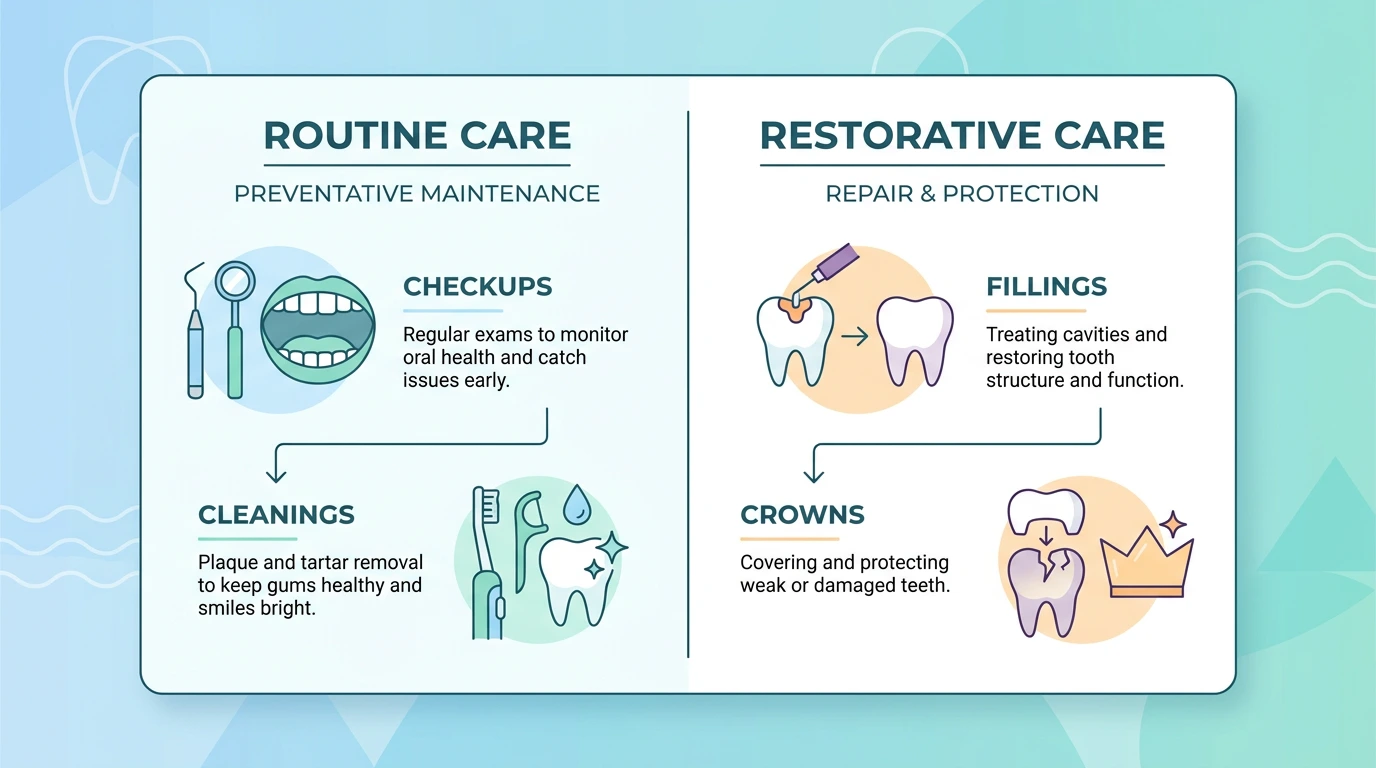
Most children and adults benefit from visiting the dental office every six months for routine cleanings and diagnostic exams. Patients with a history of periodontal disease, frequent cavities, or orthodontic appliances may require visits every three to four months. Regular appointments allow clinicians to remove hardened plaque and address potential issues before they cause discomfort.
3. What should I do if a dental emergency occurs?
If someone experiences a dental emergency such as a knocked-out tooth or severe oral pain, contact your dental office immediately to schedule care. Rinse the mouth gently with warm water, preserve any dislodged tooth fragments in milk or saliva, and apply a cold compress to minimize swelling. Seeking prompt attention helps protect the affected tooth.
4. Can a family dentist care for all age groups?
Yes, a family dental practice is equipped to care for toddlers, teenagers, working adults, and seniors under one roof. Clinicians adapt their techniques, preventive treatments, and communication styles to meet the developmental and oral health needs of each generation. This multi-generational approach allows entire households to coordinate visits conveniently within a single familiar dental environment.
5. What happens during a new patient dental visit?
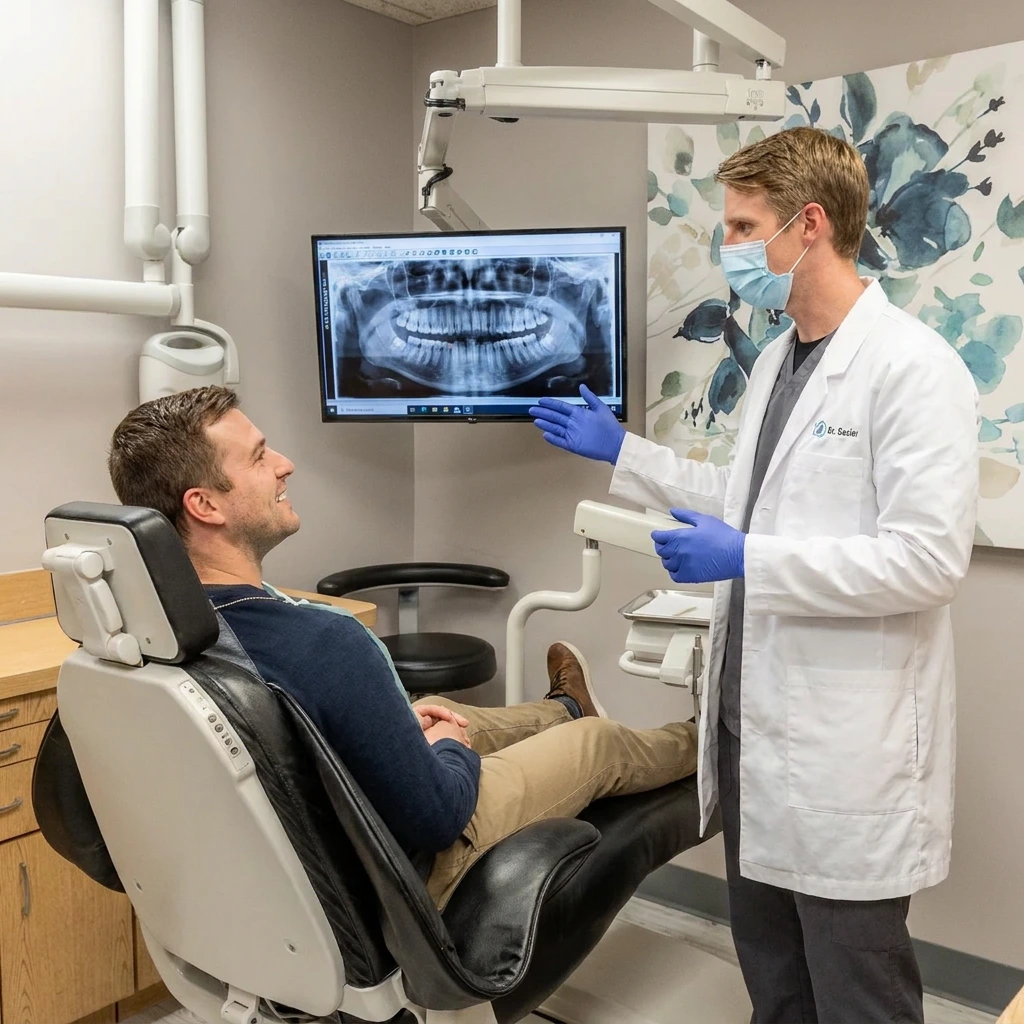
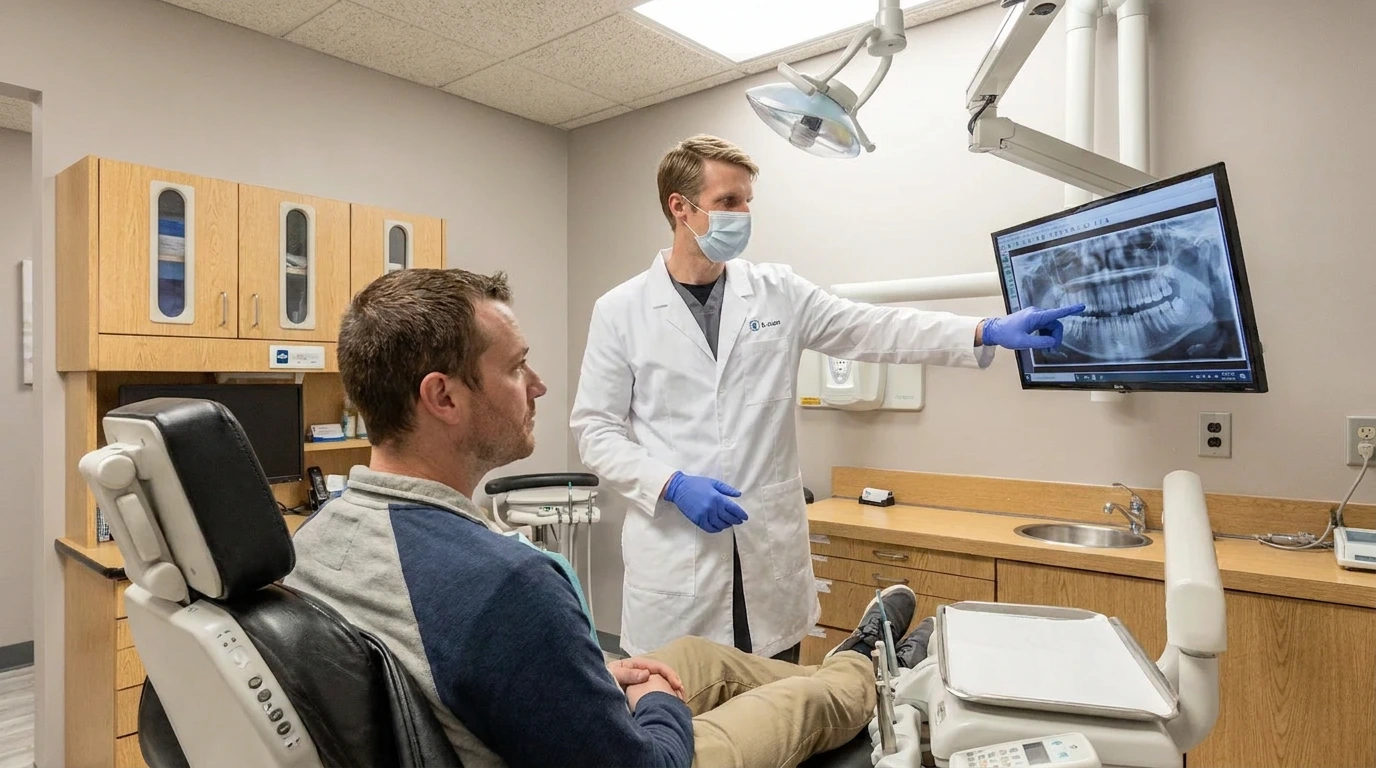
A new patient visit typically involves a comprehensive oral examination, low-radiation digital imaging, a periodontal screening, and a gentle routine cleaning. The dentist reviews your dental history, discusses any concerns or aesthetic goals you may have, and outlines an individualized care plan. It provides a comfortable opportunity to ask questions and establish long-term care goals.
6. How do I switch to a new dentist in Northville?
Switching to a new dental home is a straightforward process that begins with contacting your chosen office to schedule an introductory exam. Your new provider can assist in requesting previous dental records and diagnostic X-rays from your former clinic. Sharing your complete dental history helps maintain care continuity and can help reduce the need to repeat recent imaging.