

Emergency Dentist in Northville, MI
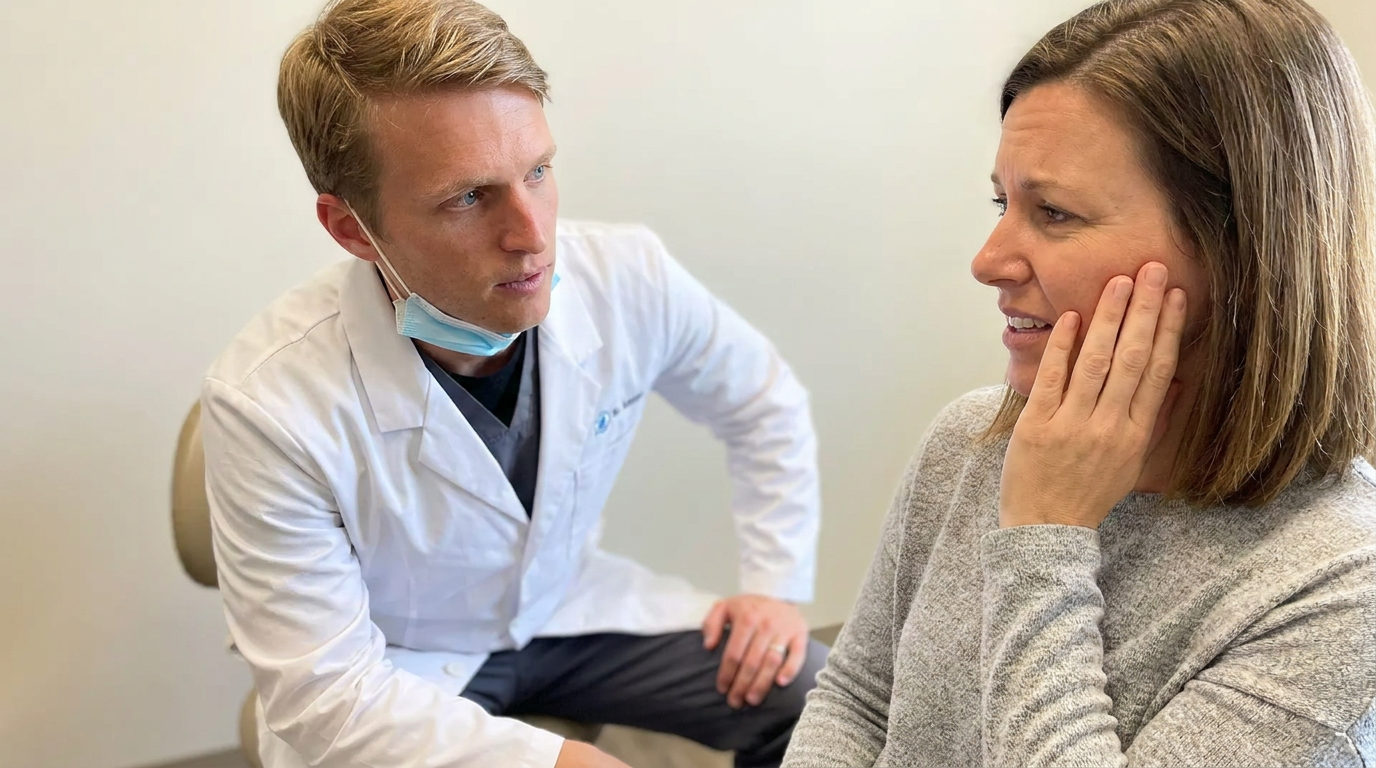
An urgent dental problem can leave you unsure what to do next. We can listen, help you understand what may be happening, and talk through the right next step so you can move forward with clarity.
- Find the Cause of Your Pain
- Get Relief as Soon as Possible
- Know Your Treatment Options
- Save Your Tooth When Possible
Complete Care, One Place
Dental care for every stage of your smile, right here in Northville.
Dentists Who Know You
Experienced Northville dentists who know your smile and your needs.
Insurance Made Simple
We help you understand your benefits and handle the claims for you.
Here When You Need Us
Broken, or aching, call early and we make room the same day.
Not Sure If It's a Dental Emergency?
Start with what you’re experiencing. We’ll help you understand whether to call us today, schedule the next available appointment, or seek emergency medical care first.
- CALL US NOW
Call for Urgent Dental Care
These symptoms should be seen quickly. Call us and we’ll do our best to see you the same day when our schedule allows, or at the earliest available time.
Severe or throbbing tooth pain
A knocked-out or loose adult tooth
Swelling in your face or gums
An abscess or a bad taste that persists
A broken tooth with pain or a sharp edge
(248) 348-7997 - URGENT, NOT CRITICAL
Book the Next Available Visit
These concerns do not require immediate care, but should be checked. Schedule an appointment so the problem does not worsen.
A small chip with no pain
A lost filling or crown that feels fine
A dull ache that comes and goes
A sore jaw or sensitive tooth
Food stuck under the gum line
Book Appointment - SERIOUS SYMPTOMS
Head to the ER, Then Call Us
Some symptoms need emergency medical care first. Once you are stable, call us for any dental treatment you may need.
Trouble breathing or swallowing
Swelling spreading to your eye or neck
Bleeding that will not stop with pressure
A possible broken jaw
A head injury or loss of consciousness
Call us once stable
Find Your Problem. Know What to Do Next.
Choose what you’re dealing with to see what you can do right now, what to avoid, and how we can help once you’re in the chair.
- Severe toothache
- Knocked-out tooth
- Broken or cracked tooth
- Swelling or abscess
- Lost filling or crown
- Cut lip, gum, or tongue
Not on the list? Call and describe it — we will tell you honestly whether you need to be seen today.
Severe toothache
Sharp, throbbing, or constant tooth pain can make it hard to eat, sleep, or focus. It may point to deep decay, an infection, or irritation inside the tooth.
- 01
Rinse gently with warm salt water.
- 02
Floss around the tooth to remove anything trapped.
- 03
Hold a cold pack against your cheek for 20 minutes at a time.
- 04
If safe for you, use an over-the-counter pain reliever as directed. Never place aspirin directly on your gums.
We’ll examine the tooth and use digital x-rays when needed to find the source of your pain. Treatment may include a filling, root canal, or extraction depending on what’s causing it, with the goal of relieving your pain and protecting your oral health.
Knocked-out tooth
An adult tooth has been completely knocked out of its socket after a fall, hit, or other injury. Acting quickly can improve the chance of saving the tooth.
- 01
Pick up the tooth by the crown, not the root.
- 02
If it is dirty, gently rinse it with water. Do not scrub it.
- 03
If possible, place it back in the socket without forcing it.
- 04
If you cannot replace it, keep it moist in milk and call us immediately.
Time matters with a knocked-out tooth. We’ll examine the area and determine whether the tooth can be repositioned and stabilized. If it cannot be saved, we’ll discuss your options for replacing it and restoring your smile.
Broken or Cracked Tooth
A tooth may feel sharp, sensitive, painful when you bite, or look visibly chipped or broken. Even a crack that seems small can extend deeper than you can see.
- 01
Rinse your mouth gently with warm water.
- 02
Save any broken pieces of the tooth if you can find them.
- 03
Use a cold pack on your cheek if there is swelling.
- 04
Avoid chewing on that side until we can examine the tooth.
We’ll check how far the damage extends and whether the nerve is involved. Depending on the tooth, treatment may include bonding, a filling, crown, root canal, or another restorative option.
Swelling or Abscess
Swelling, a tender bump on the gums, persistent tooth pain, or a bad taste in your mouth can be signs of a dental infection that should not be ignored.
- 01
Rinse gently with warm salt water.
- 02
Use a cold pack against your cheek to help with swelling.
- 03
Do not squeeze, pop, or drain the swollen area yourself.
- 04
Call us promptly. If you have trouble breathing or swallowing, seek emergency medical care.
We’ll locate the source of the infection and determine how far it has spread. Treatment may involve draining the infection, root canal therapy, extraction, or other care based on what we find.
Lost Filling or Crown
A filling or crown can loosen or come out while eating, leaving the tooth exposed or sensitive. Even without pain, the tooth underneath can be vulnerable to further damage.
- 01
Rinse your mouth gently and keep the area clean.
- 02
If a crown came off, save it and bring it with you.
- 03
Avoid chewing hard or sticky foods on that side.
- 04
Do not use household glue to put a crown back in place.
We’ll examine the exposed tooth and check for decay or damage. When possible, we may be able to reattach the crown. Otherwise, we’ll repair or replace the restoration to protect the tooth again.
Cut Lip, Gum, or Tongue
A bite, fall, or injury can cause bleeding from the lips, gums, tongue, or other soft tissue inside your mouth. Many minor cuts heal well once the bleeding is controlled.
- 01
Rinse gently with clean water to see where the injury is.
- 02
Apply firm pressure with clean gauze to control bleeding.
- 03
Use a cold pack outside the mouth to help with swelling.
- 04
If bleeding will not stop with pressure or the injury is severe, seek emergency medical care.
Once urgent medical concerns are ruled out, we can check your teeth, gums, and surrounding tissues for dental damage caused by the injury and treat anything that needs attention.
Schedule Your
First Appointment
Ready to experience exceptional dental care? We're here to answer your questions and book your appointment.

Thank you for booking your appointment!
We’ve received your request and will contact you soon to confirm the details. We look forward to seeing you at Gasior Family Dentistry.
We couldn’t submit your form.
Something interrupted the process, possibly a slow connection or a temporary glitch. Try again in a moment. If your info disappeared, we're really sorry and ready to help if you need it.
What to Expect From Emergency Dental Care
Knowing what to expect can make a dental emergency feel more manageable. Our team will explain each part of your care, answer your questions, and keep you informed so you understand what comes next.
- STEP 01
Tell Us About Your Dental Emergency
Tell us what happened and what you’re feeling. We’ll ask about your symptoms, assess how urgent the problem is, and find the soonest appropriate time for you to be seen.
- STEP 02
We Find What’s Causing the Problem
Your emergency dentist will examine the affected area and take digital x-rays when needed to identify the source of tooth pain, swelling, infection, or dental damage.
- STEP 03
We Relieve Pain and Treat the Issue
Getting you comfortable comes first. We’ll address immediate concerns, explain what we found, and walk you through your emergency dental treatment options before moving forward.
- STEP 04
We Plan Any Follow-Up Dental Care
If your tooth needs additional treatment, we’ll create a clear plan for what comes next and schedule the care needed to restore and protect your smile.
Meet Your Northville Dentists
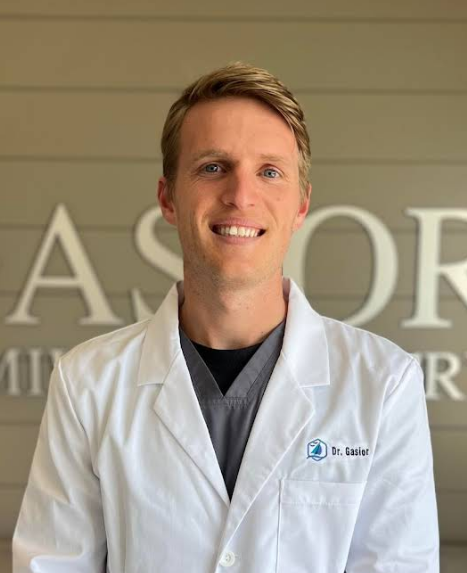
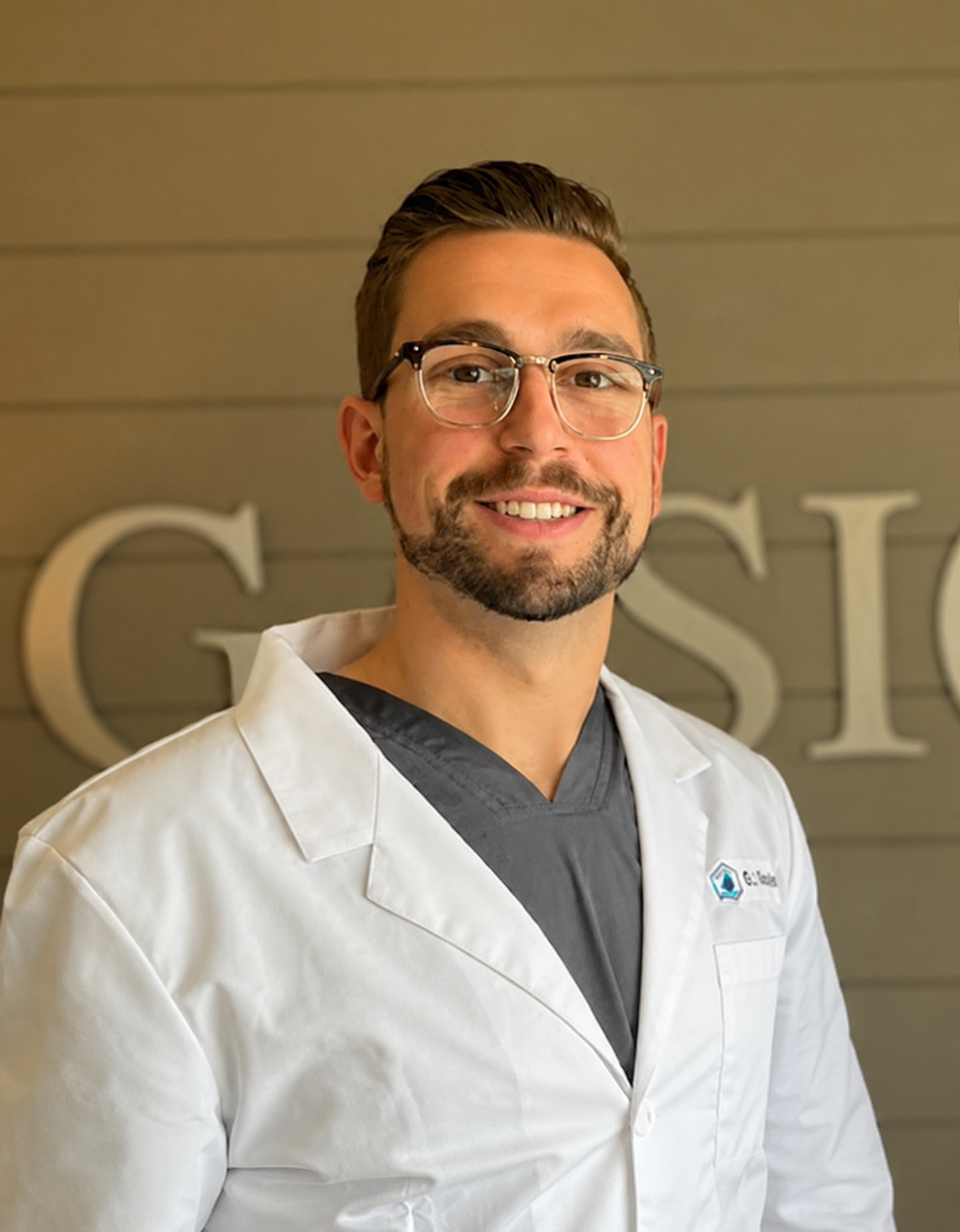
At Gasior Family Dental, our doctors are dedicated to delivering high-quality, patient-centered care. Dr. Andrew Gasior and Dr. Max Gosselin pair advanced training with a thoughtful, personalized approach to ensure a comfortable and positive experience for patients of all ages.
What Our Patients Say
Don't just take our word for it – hear from the Northville families who trust us with their smiles.
I am so impressed with this office and all the staff. I’ve been many times now for cleanings and even fixing a chipped tooth. The customer service is outstanding and they truly put the patient first.
Very helpful and welcoming staff. Some offices can feel a little awkward, especially during first visits, but not this one. Everyone treated me as if I had been coming to this office for a decade from the moment I walked in.
I recommend Gasior Family Dentistry to everyone. The Doctors and the Staff are amazing, always ensuring the best service.
I had a great quality treatment, from a teeth cleaning to getting my retainers done.
- 4.9/5AVERAGE RATING
- 10K+GOOGLE REVIEWS
- 98%WOULD RECOMMEND
Insurance & Financing
We accept most major dental insurance plans and offer flexible financing options
PPO
HMO
Medicaid / CHIP
Not sure
No insurance
PPO
We accept most major PPO dental insurance plans.
Not all plans are equal, to ensure you're fully covered, please call the office to confirm.
HMO
Unfortunately we don’t accept HMO plans.
Medicaid / CHIP
We don’t accept Medicaid
If you have any questions, feel free to give us a call
Not sure
No worries
You can e-mail us a photo (front and back) of your insurance card to info@gasiorfamilydental.com and we’ll help you verify it.

Frequently Asked Questions
How quickly can I see an emergency dentist?
For urgent dental needs, call Gasior Family Dental - Northville as soon as possible. Our team can hear what happened and determine how quickly we may be able to see you. The timing depends on your situation and our schedule, so calling promptly helps us understand what kind of help you need.
My tooth got knocked out. What do I do right now?
A knocked-out tooth needs prompt attention, so contact our practice immediately. Pick it up by the crown, not the root. If it’s dirty, rinse it gently with milk or saline, then keep it in milk while seeking care. Get emergency medical help for serious injuries, heavy bleeding, or trouble breathing.
My toothache went away on its own. Do I still need to see a dentist?
Yes, have the tooth evaluated even if the pain has stopped. Decay, infection, or damage can remain after symptoms improve. An exam is especially important if the pain was severe or persistent, or came with swelling or other symptoms. We can assess the tooth and explain what care may be needed.
How do I manage tooth pain and swelling at home before my appointment?
For temporary relief, rinse gently with warm salt water, use a cold pack on the cheek, and keep your head raised. Home care does not replace an exam. Difficulty breathing or swallowing, or rapidly worsening facial swelling, needs immediate medical attention. Contact our practice if symptoms worsen or you have concerns while waiting.
How much does an emergency dental visit cost?
The cost of an emergency dental visit depends on what we find during the evaluation and what treatment may be needed. Once our team understands your symptoms and needs, we can provide more specific information. Each situation is different, so an exam helps determine the care that may be appropriate.
Don’t Wait for Dental Pain to Get Worse
Dental problems can become harder to manage when care is delayed. Call our team now, tell us what’s happening, and we’ll help determine the earliest available appointment for your situation and explain what to expect next.