

The Night The Pain Wouldn’t Let Go
Melissa noticed it just after dinner. A sharp twinge when she bit down on her right molar, like an electric zap that made her freeze mid-chew. She laughed it off at first, blaming the cold lemonade. But by bedtime, the pain had settled into a deep, pulsing ache that seemed to echo through her jaw and up toward her ear.
Lying in bed, she pressed her tongue against the tooth, testing it again and again. Is it getting worse or am I imagining it? she wondered, scrolling her phone at midnight, typing the same thing you might be searching right now. How to ease toothache without losing sleep.
A toothache has a way of shrinking your world. It steals your focus, your patience, even your appetite. And when it hits outside office hours, it can feel incredibly isolating.

Why Toothaches Feel So Personal
Tooth pain is rarely “just pain.” It feels intrusive, like an uninvited guest that refuses to leave. That’s because the nerves inside your teeth are incredibly sensitive, more like exposed wiring than solid bone.
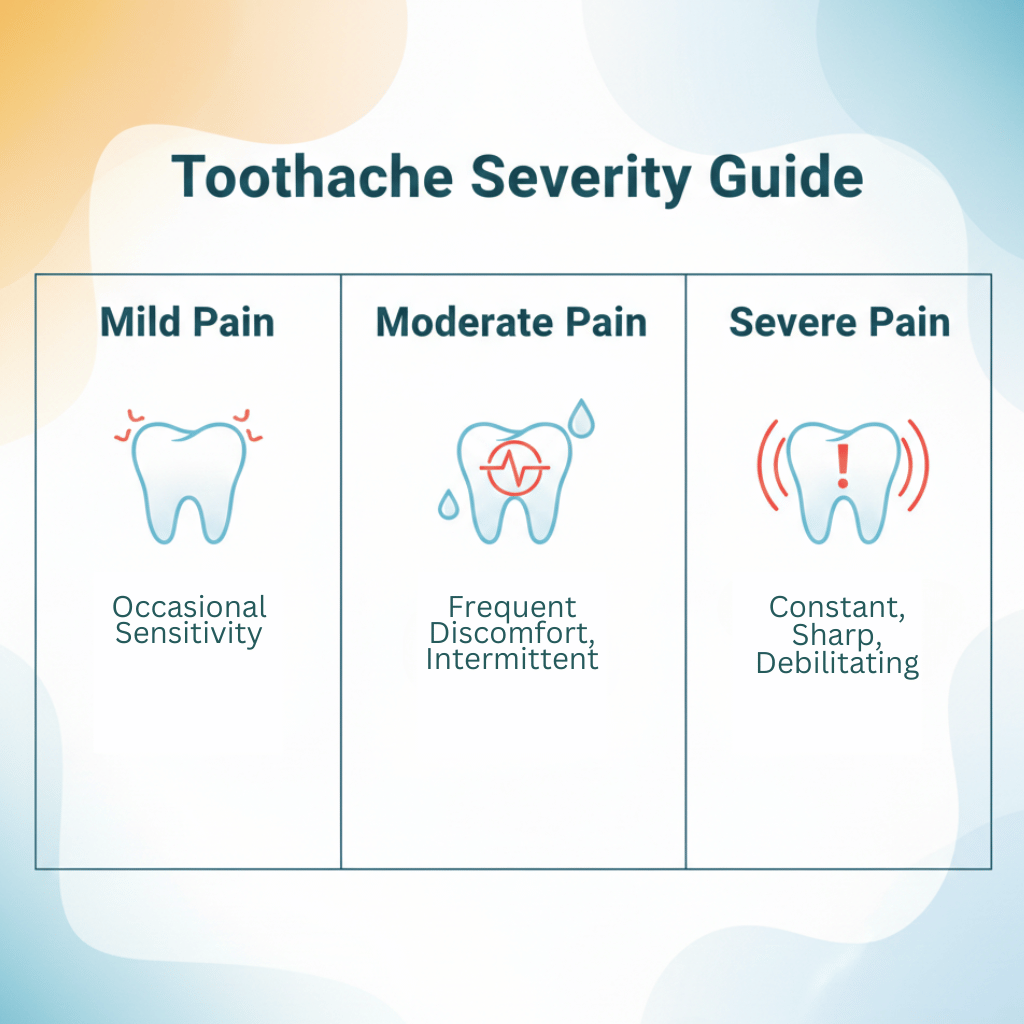
Melissa’s ache wasn’t constant at first. It came in waves, especially when she drank something cold or clenched her jaw. That pattern matters. Toothaches often tell a story about what’s happening underneath.
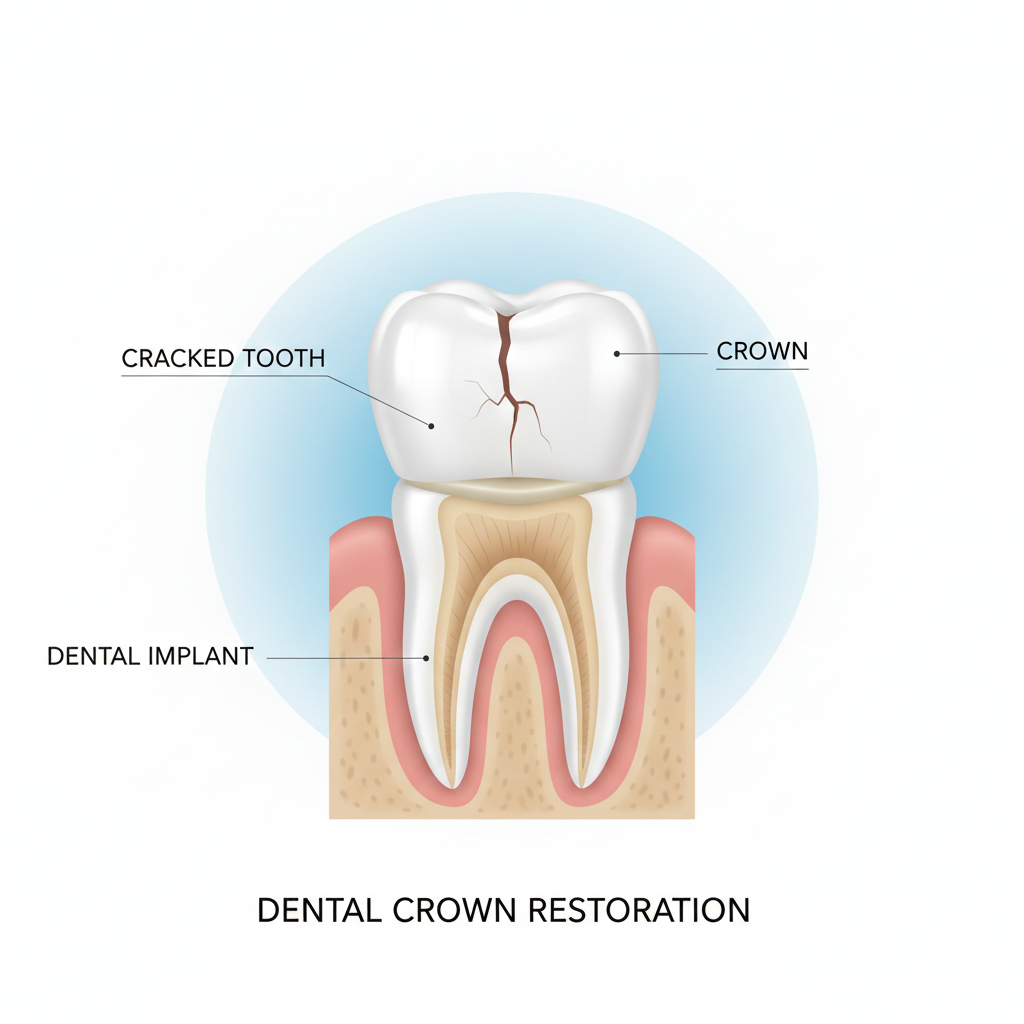
A dull, throbbing ache can point toward inflammation or infection. A sharp pain when biting might suggest a cracked tooth or a failing filling. Sensitivity to hot or cold could mean enamel wear or decay creeping closer to the nerve. Your tooth is trying to communicate, even if it’s doing so loudly.
Think of a toothache like the check-engine light in your car. You can keep driving for a bit, but ignoring it doesn’t usually end well.
What You Can Do Right Now At Home
At 2 a.m., Melissa wasn’t looking for a lecture. She wanted relief, fast. While home remedies won’t cure the underlying problem, they can absolutely help ease toothache symptoms temporarily.
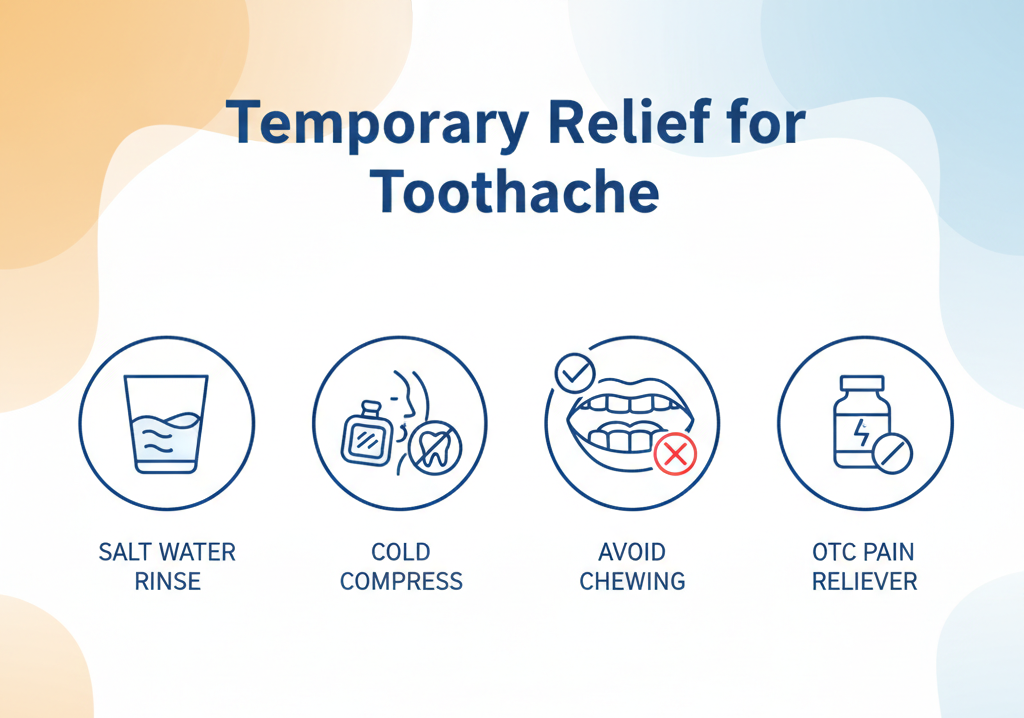
She started with a warm saltwater rinse. Simple, yes, but effective. Salt reduces bacteria and soothes irritated gums, almost like letting a sore muscle rest. She avoided chewing on that side and skipped anything sugary or icy.
An over-the-counter pain reliever helped take the edge off. Ibuprofen can reduce inflammation, which is often the real culprit behind tooth pain. A cold compress on the outside of the cheek acted like a pause button, calming the nerve’s frantic signals.
What she didn’t do mattered too. She resisted placing aspirin directly on the tooth, a common myth that can actually burn gum tissue. And she avoided “toughing it out,” because pain that wakes you up is pain worth respecting.
When Relief Isn’t Enough Anymore
By morning, Melissa noticed something unsettling. The pain had dulled, but her jaw felt heavy, almost swollen. That’s often the moment when patients realize easing a toothache at home isn’t the same as solving it.
Tooth pain that lingers more than a day or two, worsens, or comes with swelling is your cue to seek professional care. Infections can spread quietly, and cracks don’t heal on their own.
At Gasior Family Dentistry, we often see patients who waited because the pain “wasn’t that bad anymore.” Ironically, that can be a red flag, especially when a nerve begins to die. A comprehensive evaluation, like the ones we perform during thorough exams, helps uncover what’s actually happening beneath the surface. You can learn more about what that involves during a comprehensive dental exam.